Modern Software Developing: Website Programmers & Designers
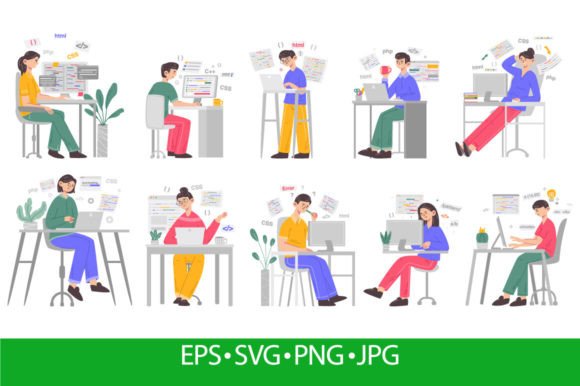
The image of a young man writing code on a computer, often rendered in vector illustration sets, has become a defining visual of our digital age. This imagery, popular in motion graphic design and stock libraries as EPS, PNG, JPGs, and SVGs, isn't just decorative. It captures the essence of modern software developing and the work of website programmers. It's a world of logic, creativity, and constant problem-solving, where lines of code transform into functional websites, applications, and digital experiences. For entrepreneurs, marketers, and content creators, understanding this world is no longer optional; it's fundamental to building a successful brand in a digital-first marketplace.
The Anatomy of Digital Creation: More Than Just Code
When we talk about software developing, we're discussing the process of designing, writing, testing, and maintaining the code that makes software run. Website programmers are specialists within this field, focusing on the technologies that power the web—from HTML and CSS for structure and style to JavaScript for interactivity, and backend languages like Python or PHP for server-side logic. The vector illustration of the coder is a simplification, but it points to a critical truth: this work is deeply hands-on and visual in its outcome. A programmer's "canvas" is a text editor, and their "brushstrokes" are keystrokes that build the user interfaces we all interact with daily.
This visual language extends into design assets. You'll find those same coding illustrations used in blog posts for tech startups, on the websites of SaaS companies, and in presentations for investors. They serve as a universal symbol for innovation and technical expertise. For a small business owner, incorporating such visuals into your branding can subtly communicate that you are tech-savvy and forward-thinking, whether you're a craftsperson selling online or a consultant building a personal brand.
Bridging the Gap: Where Design Meets Development
The most successful digital projects occur at the intersection of design and development. A web designer focuses on the user experience (UX) and user interface (UI)—the look, feel, and flow. A website programmer takes that blueprint and builds a functional, responsive, and secure product. Their collaboration is essential. A beautifully designed website that is slow, buggy, or inaccessible will fail. A technically perfect site with poor navigation and ugly typography will drive users away.
This is where understanding core design principles becomes valuable for anyone involved in a web project, including the programmers themselves. Knowledge of modern typography, color theory, and layout isn't just for designers. A programmer who understands why a specific serif font or sans serif font was chosen for body text can better implement responsive typographic scales. They can ensure that the chosen typeface renders crisply across devices and that the code supports necessary OpenType features for a premium font.
Practical Guidance for Your Next Digital Project
Whether you're hiring a team or managing a project yourself, here's how to navigate the software development and design process effectively:
- Define the Problem, Not Just the Solution: Before discussing features or visual style, articulate the core problem your website or software needs to solve. This clarity guides both design and development decisions.
- Prioritize Communication: Use tools like Figma, Adobe XD, or even simple wireframes to bridge the visual gap. Encourage designers and programmers to speak early and often. A designer's note about a complex script font interaction can save a programmer hours of rework.
- Evaluate Technology with Design in Mind: Choosing a platform (like WordPress, Shopify, or a custom framework) affects design flexibility. Discuss with your team how the chosen tech stack will handle your desired font pairing, image galleries, and interactive elements.
- Test Rigorously, Then Test Again: Software errors are inevitable, but a structured testing process minimizes them. Test for functionality, usability, accessibility, and performance across different browsers and devices. What looks perfect on a Mac may break on an older Android phone.
- Understand Licensing and Assets: This is crucial. Whether it's a commercial font, a set of icons, or a stock illustration of a coder, ensure you have the proper license for commercial use. A creative font for your logo design requires a different license than one used in a mobile app's UI. Keep a clear record of all design assets and their permissions.
The Lasting Impact on Brand and Audience
The choices made in software development and web design directly shape brand identity. A fast, intuitive, and beautifully crafted website builds trust and professionalism. Consistent use of typography, color, and imagery across your digital presence creates recognition. For content creators and publishers, this consistency turns casual visitors into loyal audiences. The technical foundation built by programmers ensures that the brand experience is reliable and accessible to everyone, which is a cornerstone of good marketing.
In the end, the world of software developing and website programmers is about building experiences. It's a blend of logic and artistry, where the right code and the right design come together to solve real problems for real people. Whether you're commissioning a project, managing one, or even learning the basics yourself, appreciating this synergy is your first step toward creating something truly impactful in the digital landscape.