Dynamic Visuals: The Power of Traffic Elements Vector Illustration
In the fast-paced world of digital and print design, communicating direction, movement, and structure is essential. Static images often fail to capture the energy of a bustling city or the organized flow of a highway system. This is where the Traffic Elements Vector Illustration collection becomes an indispensable asset. It offers a comprehensive library of scalable graphics that bring the organized chaos of transportation to life, providing designers with the tools needed to create engaging, professional-grade visuals.
Visual Characteristics and Style
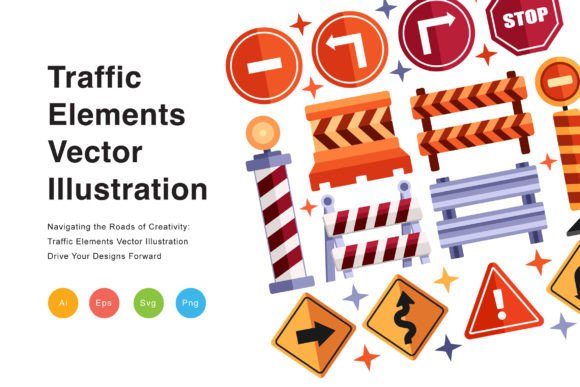
The core appeal of the Traffic Elements Vector Illustration lies in its versatility and attention to detail. These are not generic clipart images; they are thoughtfully designed assets that balance realism with stylized aesthetics. The collection features a wide array of icons, ranging from robust Barriers and Steel Road Safety structures to intricate traffic lights and universally recognized road signs.
The style is clean and modern, making it easy to integrate into various design languages. Whether you are working on a flat design project or a more detailed infographic, these vectors maintain their clarity. The use of bold lines and recognizable shapes ensures that the message is communicated instantly, regardless of the audience's language. This visual clarity is crucial for web design and social media graphics, where users often scroll quickly and need to grasp information at a glance.
Strategic Applications for Designers and Marketers
Understanding where to deploy these assets can significantly elevate a project's impact. The Traffic Elements Vector Illustration set is particularly effective for projects requiring a sense of guidance or structure. For brand identity work involving logistics companies, delivery services, or urban planning firms, these illustrations act as the perfect visual metaphor for reliability and efficiency.
- Editorial Design: Use these vectors in magazines or blogs to break up text-heavy sections. A sidebar featuring a traffic light icon can effectively highlight "stop," "caution," and "go" points in a tutorial or business strategy article.
- UI/UX Design: In app development, custom icons are vital. Instead of standard generic symbols, using stylized road signs can guide users through a navigation app or a travel booking interface, enhancing the user experience with thematic consistency.
- Marketing Materials: For entrepreneurs, these illustrations can add a dynamic edge to presentations. Instead of a standard bullet point list, using vector arrows or road markings can visually represent the "roadmap" of a business plan or project timeline.
Influence on Brand Perception and Hierarchy
Visual elements do more than just decorate; they communicate values. Incorporating the Traffic Elements Vector Illustration into your projects signals organization and forward momentum. In packaging design, for example, a subtle road sign icon can suggest "fast delivery" or "direct route to results," influencing consumer perception before they even read the text.
Furthermore, these vectors are excellent tools for establishing visual hierarchy. By placing a larger, more detailed traffic element near a headline, you draw the viewer's eye exactly where you want it. This technique is widely used in editorial design to guide readers through a complex layout. The consistency of the vector style ensures that even when mixing different traffic elements—from cars to bollards—the design remains cohesive and professional.
Technical Versatility: The Vector Advantage
One of the most significant technical benefits of this collection is the file format. The package includes EPS, AI, SVG, and PNG files. This variety ensures compatibility with almost any software, from Adobe Illustrator to Canva, and allows for infinite scalability. You can enlarge a barrier icon to billboard size or shrink a traffic light down to a favicon without losing quality. This adaptability is a cornerstone of modern design assets.
Practical Guidance for Implementation
To get the most out of the Traffic Elements Vector Illustration collection, consider the context of your project. If you are designing for a transportation agency or an educational platform, accuracy in the depiction of road signs is key. Ensure that the colors used in the vectors align with your brand’s color palette; most vector files allow for easy color swapping to match specific hex codes.
When pairing these illustrations with typography, opt for clean, legible fonts. A sans serif font often complements the geometric nature of traffic elements, ensuring the text and graphics share a similar structural weight. Avoid overly ornate script fonts or heavy serif fonts that might clash with the industrial, functional aesthetic of the road safety graphics.
Finally, consider the narrative. Traffic elements are inherently about movement and progress. Use them to tell a story of a journey. Whether you are a blogger writing about career growth or a marketer launching a new product, framing your content with these visual cues of direction and safety can make your message more memorable and persuasive. By leveraging the Traffic Elements Vector Illustration, you ensure your designs are not just seen, but understood and followed. Enjoy the creative process and the endless possibilities these assets provide.