Designing Worlds: The Animator's Digital Workspace
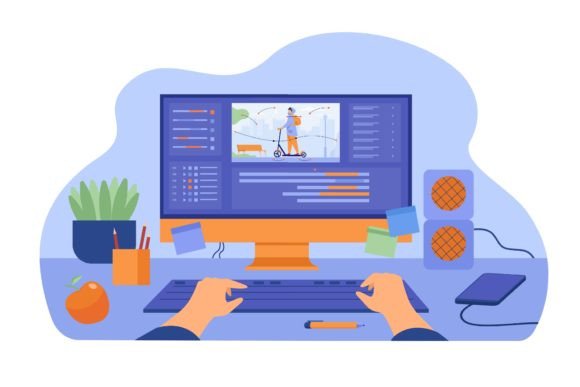
There’s a unique kind of focus that settles over a room when a graphic animator sits down to work. It’s a blend of intense concentration and creative flow, all centered around the powerful duo at the heart of their craft: the computer and monitor of a graphic animator. This isn't just a desk setup; it's the command center where imagination is translated into motion, where static models begin to breathe, and where hours of work culminate in a single, seamless moment of gameplay or cinematic magic. For anyone in a creative field, understanding this workspace is like understanding a painter's studio—it reveals the tools, the process, and the potential of the art itself.
The Engine Room: Processing Power for Complex Creation
The foundation of any animator's workstation is the computer itself. This isn't your average office machine. When we talk about the computer and monitor of a graphic animator creating a video game, we're discussing a system built for relentless, heavy-duty computation. Think of the animator's tasks: modeling motion for a character requires calculating the physics of every joint and muscle. Processing video file after video file, often in high-resolution 4K or even 8K, demands immense storage speed and RAM. Using a professional editor like Adobe After Effects, Cinema 4D, or Unreal Engine means the CPU and GPU are constantly working in tandem, rendering complex scenes in real-time.
This need for power directly influences design choices, not just for the animator, but for the brands they work with. A tech company launching a new graphics card, a software developer releasing a new 3D modeling tool, or a game studio promoting its next title can all draw inspiration from this environment. The visual language of the animator's computer—often a sleek, high-performance tower with visible cooling systems or a powerful laptop with a minimalist chassis—speaks a language of efficiency, reliability, and cutting-edge capability. It’s a visual shorthand for professional-grade results, a concept that can be mirrored in a logo design or brand identity that wants to convey strength and technological sophistication.
The Window to the World: The Animator's Monitor
If the computer is the engine, the monitor is the canvas. For a graphic animator, the display is arguably the most critical peripheral. Color accuracy isn't a luxury; it's a necessity. A slight deviation in hue on the animator's screen can mean a character's skin looks unnatural or a brand's signature color is rendered incorrectly in the final product. This is why you'll often see animators using high-end IPS or OLED panels with wide color gamuts (like Adobe RGB or DCI-P3) and hardware calibration tools.
This focus on precision is a powerful lesson in visual hierarchy and brand perception. When a designer is crafting social media graphics or editorial design layouts, the monitor must display text and imagery with crystal clarity to ensure perfect kerning, leading, and alignment. The animator's monitor, often an ultrawide or a multi-screen setup, allows them to see their entire timeline, asset library, and viewport simultaneously. This spatial organization is a masterclass in workflow efficiency. For entrepreneurs and content creators, it’s a reminder that your tools should enable you to see the big picture and the fine details all at once, ensuring consistency across every touchpoint of your brand.
Translating the Workspace into Your Brand Aesthetic
So, how can this specific, highly functional environment inspire your own creative projects? The Computer and Monitor of Graphic Animator is more than a literal description; it's a concept. It represents a modern, professional, and tech-forward aesthetic. This look can be incredibly effective in certain contexts.
Imagine a packaging design for a new line of productivity software or creative tools. Using a vector illustration that depicts this clean, powerful workspace immediately communicates the product's purpose and target audience. For a blog or a YouTube channel focused on digital art, using this imagery in thumbnails or headers establishes instant credibility and attracts a like-minded community. The style is inherently modern and clean, making it a perfect fit for web design elements, especially for tech startups, SaaS companies, or online learning platforms.
Choosing the Right Visual Language
When incorporating this aesthetic, think about its core components: clean lines, a sense of depth and perspective, and a focus on the tools of the trade. A vector illustration style is ideal because it can be scaled to any size without losing quality, making it perfect for everything from a tiny favicon to a massive trade show banner. The color palette often leans towards cool, neutral tones—grays, blacks, and whites—with strategic pops of vibrant color from the screen's display, representing creativity and energy.
This approach works less well for brands that rely on warmth, handcraft, or rustic charm. A handwritten font or a script font would feel completely out of place here. Instead, pair this imagery with a clean sans serif font or a modern, geometric serif font. The goal is to create a cohesive system where the visuals and the typography speak the same language of precision and innovation. Think of it as building a mini brand identity around the concept of the digital creator's studio.
Practical Applications and Final Thoughts
For the small business owner or marketer, the takeaway is this: your visual assets should tell a story. The story of the computer and monitor of graphic animator is one of dedication, skill, and the power of technology to create worlds. It’s a story that resonates with a specific, valuable audience.
- For Marketing: Use this concept in ads for digital products, online courses, or tech accessories. It targets professionals and serious hobbyists who value quality tools.
- For Content Creation: A blog post about "Optimizing Your Creative Workflow" could use this imagery to visually break down the steps, making complex advice feel more tangible and aspirational.
- For Branding: If your business serves the creative or tech industry, this aesthetic can help position you as a peer who understands their world and speaks their language.
Ultimately, the animator's workspace is a testament to the idea that great tools enable great art. By understanding the visual and functional essence of that space, you can borrow its authority, its modernity, and its focus to strengthen your own creative and commercial projects. It’s not about copying a look, but about understanding the principles of clarity, power, and professionalism that it embodies.